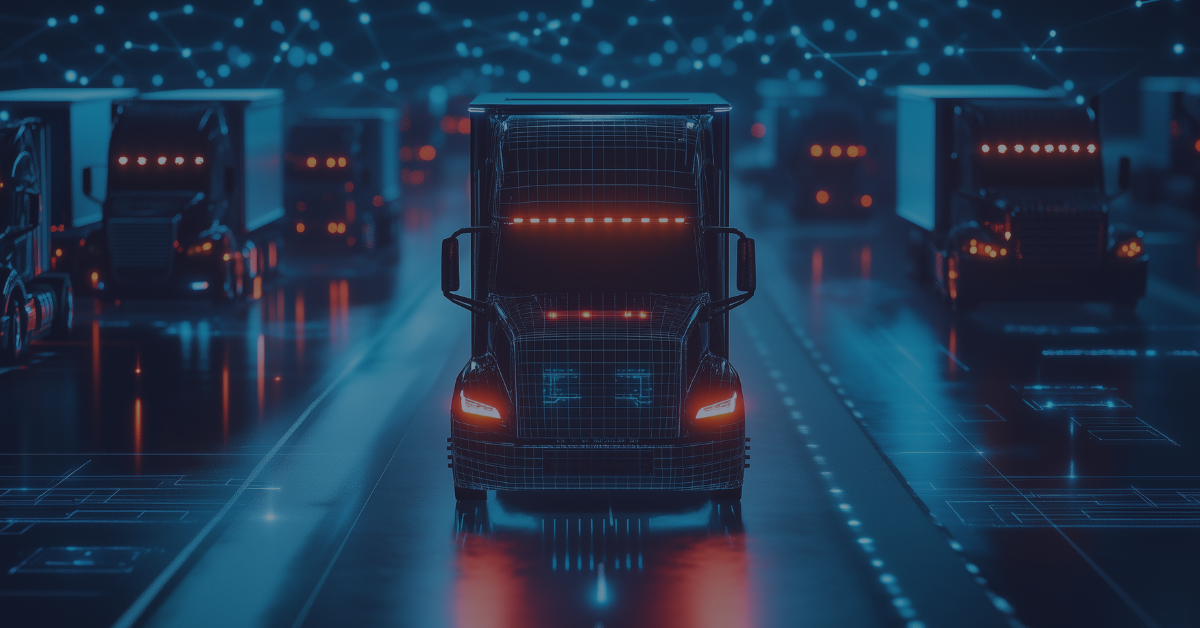
Artificial intelligence (AI) is no longer just a buzzword in tech circles. AI solutions are becoming practical tools in the trucking industry, from route planning to predictive maintenance. New solutions are helping carriers and drivers save time, cut costs, and improve safety.
The result? Greater efficiency across every mile.
Why AI Matters in Trucking
The trucking industry runs on tight margins and strict schedules. A single delay, breakdown, or reroute can cost thousands of dollars. AI addresses these challenges by analyzing massive amounts of data quickly, identifying patterns that humans might miss, and recommending smarter decisions in real-time.
For drivers and carriers alike, this means fewer surprises on the road and more consistent, streamlined operations.
Real-World Applications of AI in Trucking
Here are some of the most promising ways AI is being used to boost efficiency today:
Route Optimization: Tools like Trimble MAPS, Omnitracs, and SmartHop use AI to analyze traffic, weather, and delivery windows in real time—helping drivers avoid congestion and cut idle time.
Predictive Maintenance: Platforms such as Uptake and Noregon use sensors and AI analytics to flag potential equipment issues before they cause breakdowns, saving fleets money and reducing downtime.
Fuel Efficiency: AI-driven telematics from providers like Geotab or KeepTruckin (Motive) monitor driving behavior, idle times, and terrain to suggest ways to reduce fuel consumption across entire fleets.
Load Matching: Freight platforms like Convoy, Uber Freight, and DAT iQ use AI to connect drivers with the right loads faster, reducing empty miles and maximizing capacity.
Safety Monitoring: AI-powered dashcams from companies like Samsara or Lytx can detect distracted or drowsy driving, alerting drivers and managers in real time. Some carriers using these tools have reported significant drops in accidents.
Back Office Automation: AI tools, such as HubTran (now part of TriumphPay), automate paperwork, billing, and compliance reporting, helping carriers reduce administrative time and focus more on operations.
The Benefits for Drivers and Carriers
For drivers, AI means fewer headaches: smarter routes, fewer breakdowns, and safety alerts that keep them protected.
For carriers, AI offers improved fleet performance, lower operating costs, and better customer service through on-time deliveries and accurate tracking.
And for the industry as a whole, AI helps bridge gaps in efficiency at a time when demand is high, margins are thin, and driver shortages remain a pressing challenge.
Balancing Technology with the Human Touch
It’s important to note that AI isn’t replacing drivers, but it is supporting them. The trucking industry still depends on skilled professionals to operate safely, build relationships, and make judgment calls in complex situations. AI is a tool, not a replacement.
By blending technology with human expertise, the industry can achieve operational efficiency without losing the experience and judgment that only drivers bring to the job.
Looking Ahead
AI is still evolving, but it’s clear that the technology is here to stay. As adoption grows, the trucking industry will see even more innovations in efficiency, safety, and sustainability.
For drivers and carriers willing to embrace these tools, AI offers a competitive advantage—and a smoother ride toward the future of freight.
At The Trucker’s Network, we’ll continue to explore how technology is reshaping trucking and what it means for the men and women behind the wheel.


